
Amidst the ever-increasing presence of the internet in our lives (think QR codes instead of physical menus, complex webs of streaming service “packages,” and social media feeds designed to keep us scrolling for hours), people are feeling fatigued. An attempt to push back is taking place through the 2026 low-tech trend, also known as the “year of the analog.” The goal is fairly simple: use smartphones and other forms of modern tech for fewer purposes, replacing them with other methods when possible. Examples include replacing alarm clock apps with physical clocks, deleting social media or reducing the time spent on it and replacing streaming services with physical media like CDs and DVDs.
A recent Fortune article covered potential reasons why this trend is gaining traction, citing frustrations with the rise of generative AI and a nostalgic desire to return to older ways of life.
“Younger generations have an almost longing wistfulness because so little of their life feels tangible,” shared Pamela Paul, a writer for The Wall Street Journal who authored “100 Things We’ve Lost to the Internet.” “They are starting to recognize how the internet has changed their lives, and they are trying to revive these in-person, low-tech environments that older generations took for granted.”
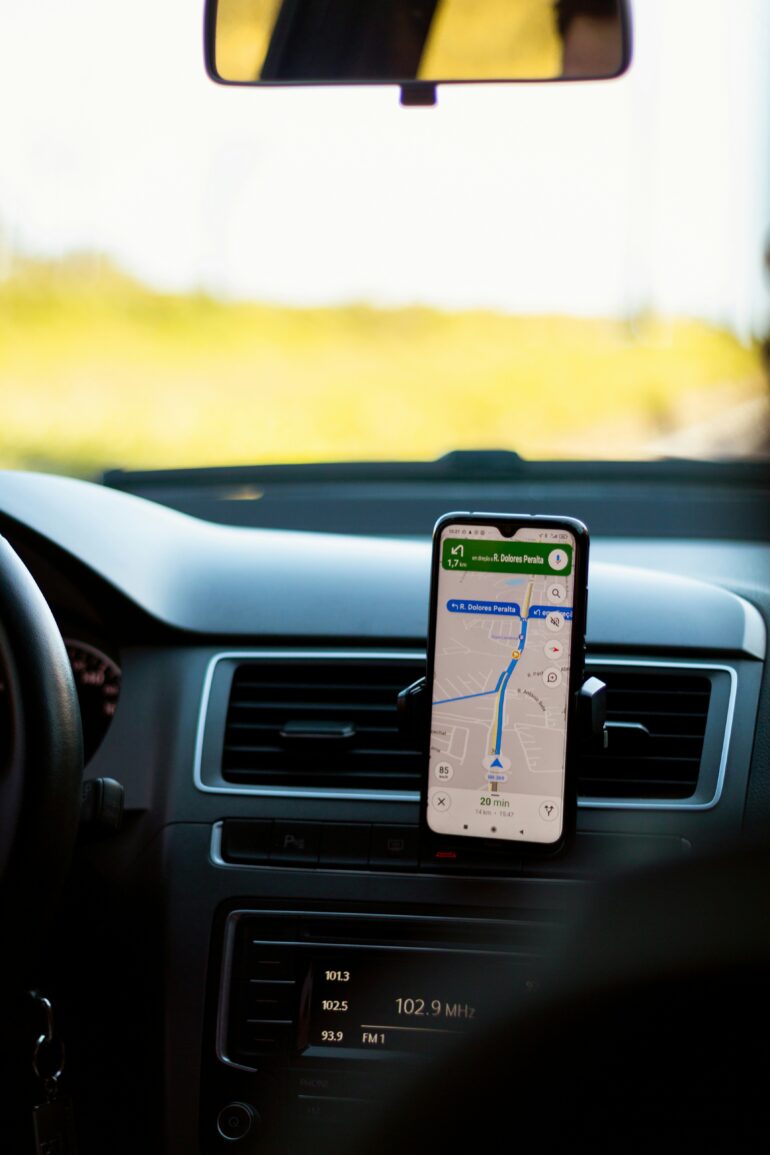
I first heard about this idea in late December. As someone who detests generative AI and desperately wants to snatch some of my time back from social media, I was more than interested in participating. The romanticized advertisements for it didn’t hurt either. So, I sat down and listed a number of things that I wanted to change. One of these was my Spotify subscription, partially because of the company’s production of AI-generated songs and their history of paying artists very little, and partially because I just liked the idea of using CDs again. Another was my reliance on a GPS app for driving routes I should know by heart at this point. I unsubscribed from Spotify and began collecting CDs, and I started memorizing my most common routes.
As it often turns out, however, breaking long-practiced habits is much easier said than done. It was easy to feel enthusiastic about a “return to physical media” when I was watching content creators show off their retro-looking CD players and Nintendo DSes. It was easy to let waves of nostalgia inspire me when the no-tech movement was presented through camera filters reminiscent of my 2000s childhood. It was easy to engage with the trend when it promised to add new, shiny things to my life, or to give back to me what I felt I’d lost. It was much harder to motivate myself when it came to the part of the bargain that required me to make sacrifices in return.
After I deleted Spotify, making CD mixtapes to play in my car was fun and exciting. After years of having numerous multi-hour playlists curated for my personal tastes at my fingertips, however, it was difficult to get used to searching for music without the help of an algorithm’s recommendations. There were also moments where I felt limited by the number of songs on my CDs and instinctively reached for my phone to bail me out. And, as I drove back to school and pushed my brain to remember which of the next six exits to take, I wanted nothing more than to pull over and whip out my GPS app. The reality beyond the charm of physical media is that streaming services, personalized algorithms and the insertion of AI into every corner of the internet do reduce friction in my life. This is something that I am uncomfortable without.
The discomfort is exactly how I know that I have to commit to these changes.
It’s how I know that I’ll never redownload Spotify and that I’m going to learn to drive places without my GPS. I have centered convenience through my phone in a way that is almost incapacitating. It’s led me to feel like I am incapable of life without reliance on almost every convenience that my phone has to offer, and that isn’t true. I can create my own playlists, navigate Lexington and so much more.

In addition, lessening the hold of modern technology in small ways is about setting a precedent. If I am so attached to owning the most convenient music source that I would prioritize it over social issues I care about, then it’s not just my time and my attention span that are being held hostage; it’s also my moral agency. If I want to have the strength to make ethical decisions in higher-stakes circumstances, even when it’s inconvenient, I need to be able to do the same when my personal stakes are extremely low.
There are plenty of shiny, aesthetic reasons for a low-tech 2026, none of which are necessarily harmful for generating interest. If you choose to engage in these efforts, however, you will eventually feel the discomfort that comes with refusing to rely on what seems most convenient. Sustaining our efforts requires us to recognize (and even celebrate) that discomfort. The easy, mindless choices are easy for a reason. Something is sacrificed no matter what we choose, and you have to decide what matters most to you.
Photo courtesy of Unsplash.