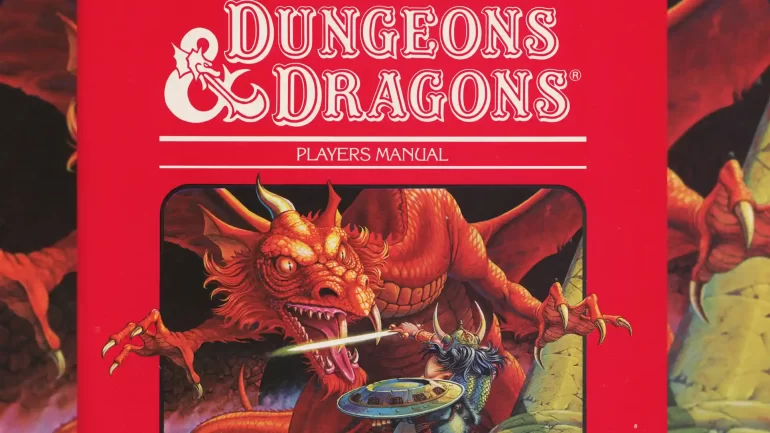

The 1980s were a time of widespread panic in America. Studies and statistics regarding child abuse rates and “missing child” notices on milk cartons contributed to mass fears concerning the protection of American youth. Violence among young people was also rising: according to a 2002 report by the Urban Institute’s Program on Youth Justice, juvenile violent crime arrests rose by 64% between 1980 and 1994. From these statistics came the need for something or someone to blame, and the focus became a growing conspiracy theory that America had become overrun with child-harming demonic cults. This became known as the satanic panic of the 1980s.
News outlets and entertainment sources sensationalized these fears. Cable TV talk shows such as the Oprah Winfrey Show featured guests who shared stories of experiences with satanic cults – stories that were not fact-checked – and added fuel to the panic. Religious figures promoted ideas that practices of “demon worship” were inextricably linked to stereotypical teenage activities such as heavy metal music, horror movie-watching and Dungeons & Dragons (D&D). One well-known example was a claim by a Lakeview Full Gospel Fellowship minister named Jon Quigley, who said, “The game is an occult tool that opens up young people to influence or possession by demons.”
The blaming of D&D is particularly interesting to me. The game was originally published in 1974, just six years before the panic began. According to Smithsonian magazine, D&D was inspired by a medieval game that one of the three creators had invented, which in turn was inspired by “The Lord of the Rings.” D&D came with instruction booklets with basic rules for character creation and point systems, but the most creative aspects of the game were left open to players’ imaginations. As someone who has played the game before, I can say that there is nothing uniquely “demonic” about it. In fact, many of the creatures that I encountered were not so different from characters in books like “The Lord of the Rings” or “The Chronicles of Narnia.”
I know many other Asbury students who greatly enjoy playing D&D, so it is hard to wrap my mind around the fact that the game was once banned from many Christian institutions in America. During the panic, there were many other factors contributing to youth violence, ones that to me seem like more obvious, direct causes. Child poverty rates were rising, America was still in the midst of the Cold War, there was social disruption due to crises like the AIDs epidemic, the juvenile justice system was moving towards a model that focused more on punishment than rehabilitation, and it was the era of the crack cocaine epidemic. The fact that D&D became a “scapegoat” was confusing to me at first. When I zoomed out and looked at larger historical patterns, it began to make more sense.
There are numerous instances in American history where youth culture has been blamed for larger social issues. The blame has usually revolved around young people being “victims” of some sort of popular trend. One example from the 1950s was a moral panic over comic books. In the midst of the Cold War, adults were living in constant fear for the country, while juvenile delinquency cases were also rising. According to “Juvenile Court Statistics, 1950-1952,” a document released by the U.S. Department of Health, Education, and Welfare, juvenile crime cases rose by 28% from 1948 to 1952. Other information from the document pointed to one potential cause: dependency and neglect cases were rising at the same time. There was also a potential correlation between these cases and national tensions, as juvenile delinquency rates had reached an even higher peak during World War Two. Many Americans chose, however, to blame comic books, which they believed encouraged violence. During a 1954 Senate hearing on the juvenile delinquency issue, psychiatrist and author Frederic Wertham claimed that “Hitler was a beginner compared to the comic industry,” because comic creators “get the children much younger.” Widespread expressions of beliefs similar to this and the possibility of legislative bans led to severe restrictions on comic book content through the 1954 Comics Code Authority.
A more recent example of what I believe to be the same type of issue is the blaming of video games for school shootings. While it is absolutely important to have conversations around youth culture and media consumption, there are so many other factors that contribute to these tragedies. We risk overlooking structural issues that need to be addressed when our narratives about “troubled young people” revolve around alleged corruption through media.

So why have so many Americans resorted to blaming youth culture for societal issues? Ultimately, it comes from a good place. Genuine fears for the health and safety of youth can lead people to want to find simple solutions. In addition, youth culture can be confusing to people who are not a part of the culture (even I, a college student, am sometimes baffled by the trends among people five to 10 years younger). The fear of what we do not understand, combined with a desire to protect those who are more vulnerable, can lead people to look for ways to control the situation. It can be attractive to have a scapegoat, something easy to blame, something that we can be angry with and take quick action against.
But spreading panic over youth culture does not do anyone any good. Tragedies that occurred in the 1980s were not stopped through banning D&D in schools or condemning heavy metal music any more than the Comics Code Authority lowered delinquency rates. True solutions are usually messier and harder to pinpoint than we would like, but if we want to find the real sources of our fears, we have to face more than the scapegoats.
Photo courtesy of NY Times.